Blog
Boiler Fault Codes Explained – What They Mean and What You Can Safely Check
Understand common boiler fault codes and take sensible first steps without risking your safety or damaging your heating system.
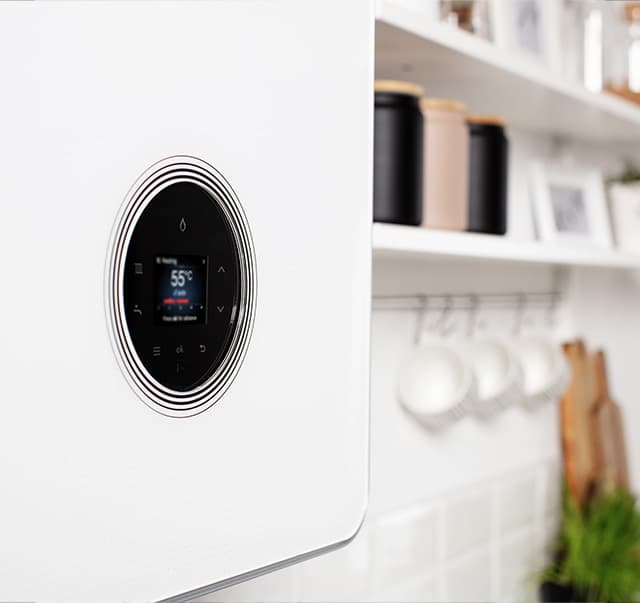
When your boiler displays a fault code, it is reporting that a part of the heating or hot water system is not operating as expected. The code can help identify the general problem, but it is not always a complete diagnosis. A few simple checks may restore your heating, while persistent faults need attention from a qualified Gas Safe engineer.
What a boiler fault code means
A fault code is a combination of letters, numbers or symbols shown on your boiler display. It is produced by the boiler’s control system when sensors detect an unsafe condition, such as low water pressure, failed ignition or restricted airflow.
Codes vary between manufacturers and models, so an error such as an ignition fault may have a completely different code on a Worcester Bosch, Vaillant, Ideal or Baxi boiler. Always check your own boiler manual rather than relying on a code found online. The same-looking fault can also have several possible causes, which is why a code should be treated as a useful starting point rather than a repair instruction.
Common fault code categories
Ignition or flame failure: The boiler has not lit correctly or cannot detect a stable flame.
Pressure or flow issues: System pressure may be too low, or water may not be circulating properly.
Fan or flue safety lockouts: The boiler has detected a problem with airflow or flue operation and has shut down safely.
Sensor or thermistor faults: A temperature sensor may be giving an incorrect reading or have developed an electrical fault.
These categories can help you understand the message, but they do not mean you should remove the casing or attempt to replace components. Internal boiler repairs involve gas, electricity and combustion gases, so they must be handled by a suitably qualified professional.
Safe checks you can make at home
Try one reset only
Follow the reset instructions in the manufacturer’s manual and reset the boiler once. A single reset can clear a temporary interruption, but repeatedly resetting the appliance may hide a developing fault or cause the boiler to lock out again. If the code returns, stop resetting it and arrange professional help.
Check the pressure gauge
Many sealed central heating systems operate at around 1 to 1.5 bar when cold, although the correct range depends on the appliance. If the gauge is clearly below the recommended range, the boiler may show a low-pressure fault. You should only top up the system if you understand the instructions for your specific boiler and filling loop, and there is no sign of a leak.
If pressure keeps falling, do not keep re-pressurising the system. Repeated pressure loss can indicate a leak, a problem with the expansion vessel or another fault that needs an engineer.
Inspect the external condensate pipe
High-efficiency boilers produce condensation that leaves through a plastic condensate pipe, often routed outside. In freezing weather, this pipe can become blocked by ice and cause the boiler to shut down. You can look for obvious blockage, but do not dismantle the pipe or use boiling water, as sudden heat can damage plastic.
If safe to do so, a frozen section may be gently warmed with a hot water bottle or a cloth soaked in warm water. Follow the boiler manual afterwards and reset the appliance once. If the fault remains, contact an engineer.
Confirm heating controls and look for leaks
Check that the programmer is set to an active heating or hot water period and that the thermostat is turned above the current room temperature. Also check that the boiler has power and that its local isolation switch has not been turned off.
Look around visible pipework, radiators and the area beneath the boiler for drips, damp patches or staining. Do not remove the boiler casing to investigate. If you find a significant leak, switch off the water supply if you know where the relevant valve is, and seek professional assistance.
When to stop checking and call an engineer
A recurring fault code, repeated loss of pressure or a boiler that will not ignite should be assessed by a Gas Safe registered engineer. Never open the boiler casing, interfere with gas components or attempt to repair the fan, flue, burner or electrical controls yourself.
Take immediate action if you smell gas, see soot or staining around the appliance, notice unusual combustion smells, or your carbon monoxide alarm activates. Turn off the gas supply if you can do so safely, avoid flames and electrical switches, leave the property if necessary and contact the appropriate emergency gas service. A carbon monoxide alarm activation should never be ignored, even if the boiler appears to be working.
Information to give the engineer
Good information can help an engineer prepare for the visit and identify the likely fault more quickly. Before calling, make a note of the exact code, the boiler make and model, and what happened immediately before the fault appeared.
The complete fault code, including any letters or flashing symbols
The boiler make and model
Whether you have heating, hot water, both or neither
Any noises, leaks, pressure changes or recent power cuts
Whether the boiler has been reset and what happened afterwards
A clear photograph of the display can also be useful, provided you do not delay seeking help where there is a safety concern.
Get help with a recurring boiler fault
Understanding a fault code can help you make safe initial checks, but it should not replace a professional diagnosis. If your boiler remains locked out or you would rather have it assessed, book a boiler repair with REGH on 01274918550.
You can also learn more about qualified support through the Domestic Gas Engineer service. Prompt attention can restore reliable heating while helping ensure the appliance is operating safely and efficiently.
Other Articles